
 By
By Houston-based geothermal startup Fervo Energy surged in its Nasdaq debut on Wednesday, underscoring investor enthusiasm for companies positioned to benefit from the artificial intelligence-driven electricity boom.
Shares of Fervo, which trades under the ticker FRVO, jumped more than 30% shortly after trading began, pushing the company’s valuation above $10 billion.
The strong debut followed an upsized initial public offering that raised approximately $1.89 billion at $27 per share, making it the largest energy or utility IPO since 2013, according to Renaissance Capital.
The IPO exceeded the company’s initial expectations by roughly $500 million as demand from investors prompted multiple increases to both the share count and pricing range during the roadshow process.
“We were asked a few times on the roadshow, ‘Why aren’t you raising more money?’” Sarah Jewett, Fervo’s senior vice president of strategy, said in a TechCrunch report.
“As we saw the demand come in, there were just enough signals pointing towards upsize being not only within the realm of possibility, but the realm of the encouraged.”
AI-driven power demand boosts investor interest
Fervo’s market debut arrives as investors increasingly focus on energy companies capable of supplying reliable electricity to data centers and AI infrastructure.
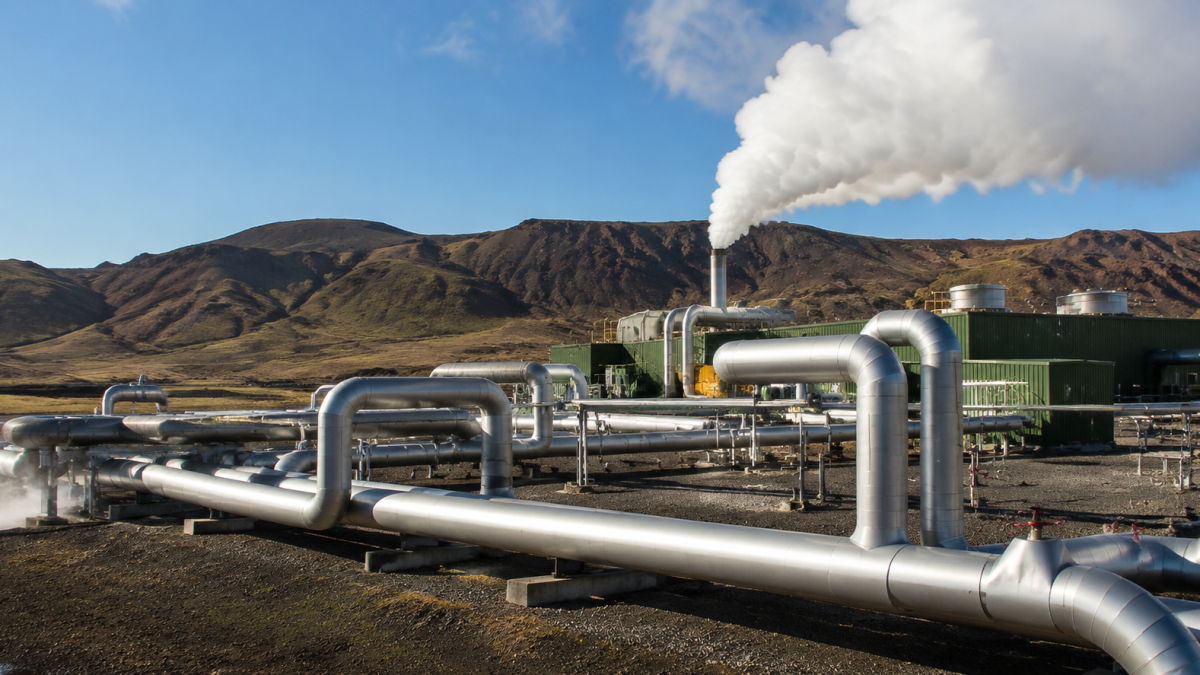
The company develops enhanced geothermal systems that drill deep underground to access hotter rock formations capable of generating continuous, around-the-clock electricity.
Unlike solar or wind energy, geothermal can provide baseload power regardless of weather conditions, a feature that has attracted interest from technology companies seeking dependable energy sources for AI operations.
Fervo counts tech companies among its partners, including Alphabet.
One of its projects in Nevada, Corsac Station, is expected to provide Google with 115 megawatts of electricity.
Fervo CFO David Ulrey said in a Barron’s report that investor demand came from multiple corners of the market.
Traditional energy investors “were looking for the future,” while generalist investors “were really excited about just the trend of AI and hyperscale, and power,” Ulrey said.
Expansion plans center on Utah geothermal project
Fervo currently operates a 3.5-megawatt geothermal facility but is rapidly expanding through its flagship Cape Station project in Utah.
The company expects the first phase of Cape Station to eventually generate 500 megawatts of power over the next three years.
Fervo also holds permits that could allow the site to expand to 2 gigawatts or potentially more.
Jewett said a third-party engineering assessment suggested the site could ultimately support up to 4 gigawatts of geothermal capacity.
“We’re repeating the playbook from the shale energy industry but with the answer key,” Jewett said.
Fervo says it has signed contracts representing approximately $7.2 billion in potential revenue backlog, though the company remains in an early stage of commercial development.
It generated just $138,000 in revenue last year while posting a loss of $57.8 million.
Technology improvements key to future growth
The company’s strategy relies heavily on reducing drilling costs and improving efficiency using techniques adapted from the shale oil industry.
Fervo said its earliest wells required dozens of days to complete and cost more than $1,000 per foot.
After drilling 14 wells, the company said it has reduced both drilling time and cost per foot by roughly two-thirds.
Its large-scale Utah project is currently expected to cost around $7,000 per kilowatt to build, significantly above the cost of constructing a natural gas plant.
The company aims to reduce those costs to roughly $3,000 per kilowatt over time.
The strong IPO performance suggests investors are willing to fund that expansion effort as demand for AI-related electricity infrastructure accelerates.
The post Fervo Energy soars 30% in Nasdaq debut as AI power demand ignites IPO appeared first on Invezz
